Efficient irrigation

Efficient irrigation
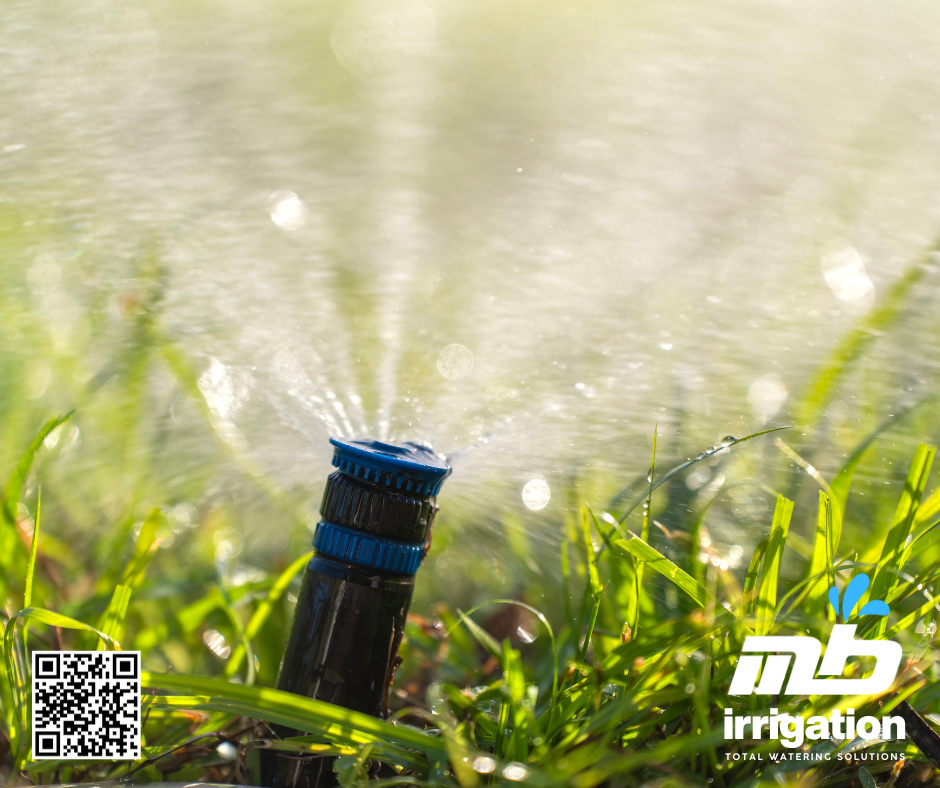
Efficient irrigation improves plant health and saves water by targeting roots directly and avoiding evaporation. Key practices include watering in the early morning, using drip systems for deep soaking, applying mulch to retain moisture, and adjusting schedules based on weather and plant needs.
Here are top irrigation tips for your garden:
- Optimal Timing: Water early in the morning (before 10 a.m.) to reduce evaporation and prevent fungus caused by evening watering.
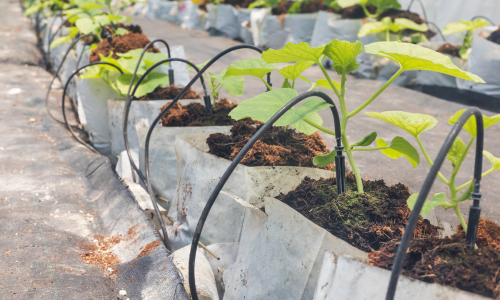
- Targeted Watering: Use drip irrigation or soaker hoses to deliver water directly to the root zone, minimizing waste and reducing water on foliage.
- Water Deeply & Less Frequently: Encourage deep root growth by watering deeply once a week rather than shallow, frequent watering.
- Install Mulch: Apply 2-3 inches of mulch around plants to keep soil cool and significantly reduce evaporation.
- Check Flow & Pressure: Before setting up, measure your water pressure and flow rate (litres per minute) to ensure the system is not over- or under-supplied.
- System Maintenance: Regularly clean filters in drip systems and flush lines (by removing endcaps) to prevent clogging.
- Adjust for Weather: Install a rain gauge and skip watering if sufficient rainfall is expected.
- Slope Management: Use pressure-compensating drippers on sloped areas to ensure even water distribution.
- Group Plants (Hydrozoning): Group plants with similar water needs together to optimize irrigation efficiency.
- Winter Protection: Drain or blow out irrigation lines in winter to prevent freezing and pipes bursting.