Smart Home Irrigation Systems

Smart Home Irrigation Systems
Unlock the secrets to watering your lawn like a pro with smart irrigation! By the end of this course, you’ll be able to:
- Understand how smart irrigation controllers use weather data and soil moisture sensors to optimize watering schedules.
- Differentiate between various smart irrigation technologies and their benefits.
- Implement and manage a smart irrigation system for water conservation and healthier plant growth.
What is Smart Irrigation?
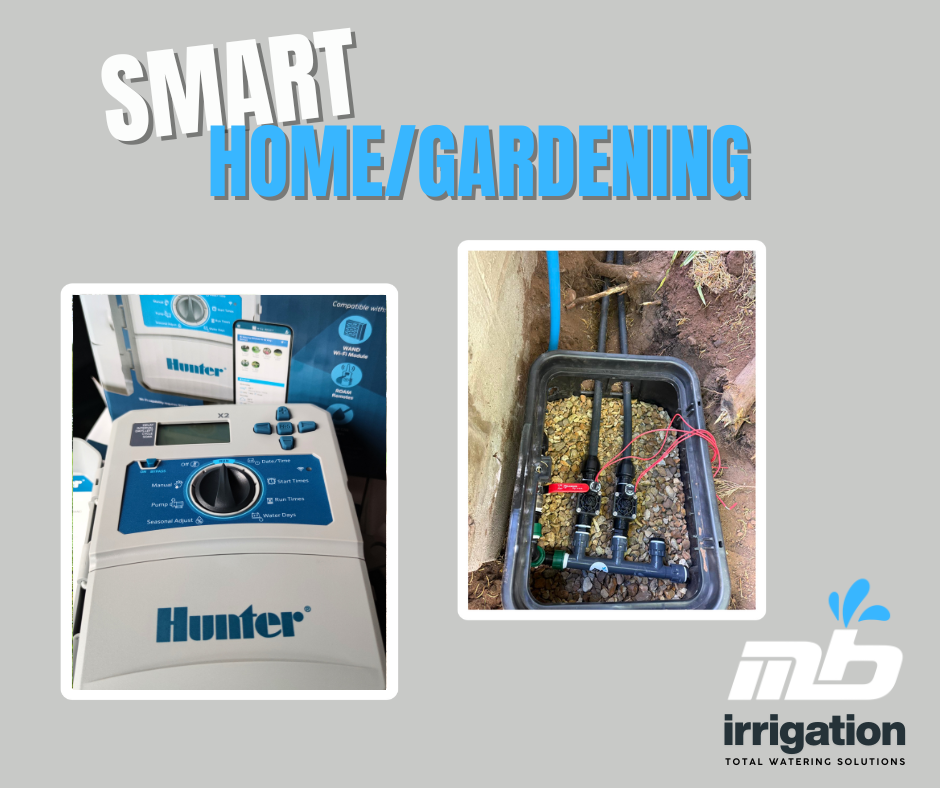
Think of a smart irrigation system as a personal water manager for your garden. Instead of watering on a fixed schedule, it uses technology to give your plants the exact amount of water they need, precisely when they need it.
Traditional sprinkler systems operate on a simple timer. You might set them to run for 20 minutes every other day. But what if it rains? Or what if it’s unusually hot and windy? The timer doesn’t know. It just keeps watering, which can lead to waste, runoff, and unhealthy plants.
Smart irrigation replaces that rigid timer with a responsive, data-driven approach. The goal is to maintain a healthy landscape while using as little water as possible.
The Trouble with Timers
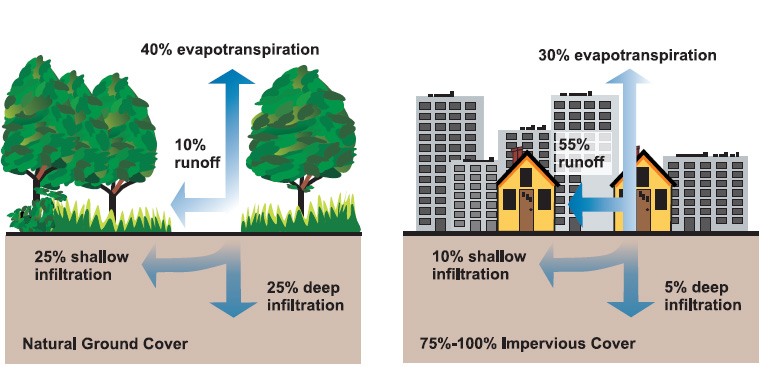
Traditional irrigation methods are notoriously inefficient. When sprinklers run on a preset schedule regardless of the weather, a significant amount of water is wasted. Overwatering saturates the soil, causing water to run off your lawn and into storm drains, carrying fertilizers and pesticides with it.
Watering in the middle of a hot day also leads to high rates of evaporation, meaning much of the water never even reaches the plant roots. This inefficiency is not just bad for the environment; it also shows up on your water bill.
A Smarter Way to Water
Smart irrigation technologies solve these problems by using real-time data to make watering decisions. There are two main types:
Weather-Based Controllers: These systems use local weather data, either from a small on-site weather station or from online sources. They track rainfall, temperature, humidity, and wind speed to automatically adjust the watering schedule. If it just rained, the system will skip the next cycle. If a heatwave is coming, it might water a little extra.
Soil Moisture Sensors: These devices are placed directly in the root zone of your lawn or garden beds. They measure the actual moisture level in the soil and tell the irrigation controller to water only when the ground is getting dry. This is one of the most accurate ways to ensure plants get the hydration they need without a single drop wasted.

By adopting these technologies, you can optimize water usage, leading to healthier plants that are more resilient to drought. The automated adjustments also offer convenience, taking the guesswork out of watering your lawn and garden.
“Efficient Resource Management: Implement smart irrigation systems to cut water usage by 30-50%.”
Ready to check your understanding of these water-wise concepts?
Which technology directly measures the moisture level in the ground to decide when to water?
A
A soil moisture sensor
B
An evaporation tracker
C
A local weather station
D
A standard irrigation timer
The correct answer is:
A
A soil moisture sensor
Using smart irrigation is a practical step toward conserving water at home, resulting in a healthier landscape and lower utility bills.