Advanced Drip Line System Mastery

Advanced Drip Line System Mastery
This course delves into the intricacies of maintaining drip line irrigation systems. You’ll learn to diagnose and resolve complex problems, implement best practices for longevity, and tailor system performance to specific environmental conditions.
Watering Smarter, Not Harder
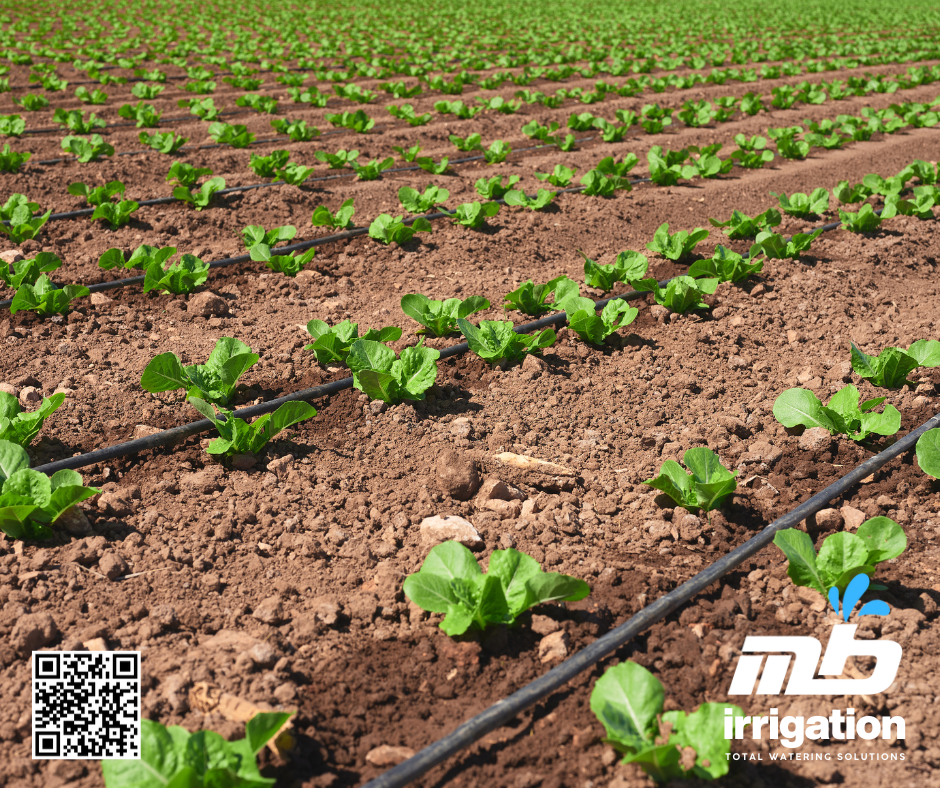
Imagine giving each plant a personal drinking straw, delivering water right where it’s needed most: the roots. That’s the simple idea behind drip irrigation. Instead of spraying water into the air or flooding the ground, this method uses a network of tubes to release water slowly and precisely.

This approach fundamentally changes how we water plants. It’s not just about saving water; it’s about giving plants the consistent moisture they need to thrive without the stress of being too wet or too dry. By keeping the soil consistently moist but not waterlogged, roots can grow deeper and healthier.
“Drip irrigation, also known as trickle irrigation or micro irrigation or localized irrigation, is an irrigation method that saves water and fertilizer by allowing water to drip slowly to the roots of plants, either onto the soil surface or directly onto the root zone, through a network of valves, pipes, tubing, and emitters.”
The Anatomy of a Drip System
A drip system might sound complex, but it’s made of just a few key parts working together. Understanding them is the first step to appreciating how effective this method can be. It all starts at the water source, like a spigot, and from there, water flows through a series of specialized components.
Tubing: This is the backbone of the system. A larger main tube carries water from the source, while smaller distribution tubes branch off to deliver water throughout your garden or field.
Emitters: These are the small but mighty workhorses. Emitters, also called drippers, are spaced along the distribution tubes. They are designed to release water at a very slow, controlled rate, usually measured in gallons per hour. This slow delivery ensures water soaks into the soil instead of running off.
Filter: Since the openings on emitters are tiny, they can easily get clogged by sand, rust, or other small particles from the water source. A filter is essential for catching this debris and keeping the system running smoothly.
Pressure Regulator: Your home’s water pressure is often too high for a drip system. A pressure regulator reduces it to a lower, more consistent level. This prevents emitters from popping off and ensures each one delivers the same amount of water, whether it’s at the beginning or the end of the line.
The Benefits of a Slow Drip
Switching from a traditional sprinkler to a drip system offers several major advantages that impact everything from your water bill to the health of your plants.
“Properly designed, installed, and managed, drip irrigation may help achieve water conservation by reducing evaporation and deep drainage when compared to other types of irrigation such as flood or overhead sprinklers since water can be more precisely applied to the plant roots.”
The primary benefit is water efficiency. Sprinklers can lose a significant amount of water to wind and evaporation before it even hits the ground. Drip systems eliminate this waste. Because water is applied directly to the soil, it goes straight to the root zone where the plant can use it.
| Feature | Drip Irrigation | Traditional Sprinklers |
|---|---|---|
| Water Waste | Minimal (low evaporation/runoff) | High (evaporation and wind drift) |
| Weed Growth | Reduced (water is localized) | Encouraged (waters entire area) |
| Plant Health | Better (roots are deeply watered) | Risk of leaf fungus from wet foliage |
| Soil Erosion | Negligible | Can cause runoff and erosion |
This targeted watering also leads to healthier plants. By keeping foliage dry, you reduce the risk of common fungal diseases that thrive on wet leaves. Consistent soil moisture encourages plants to grow deeper, more resilient root systems. And because you’re only watering the plants you want, you’ll see a lot fewer weeds popping up in the dry soil between them.
Ultimately, drip irrigation is about precision. It’s a system designed to work with nature, giving plants exactly what they need, exactly where they need it.