
When Soil Is Too Acidic. Fixing Your Soil.

When Soil Is Too Acidic. Fixing Your Soil.
Fixing Your Soil can make a significant difference in your garden’s productivity and plant health. Acidic soil, with a pH below 7, can limit nutrient availability to plants, affecting their growth and vigor. Here’s how to address and amend acidic soil to create a more balanced growing environment:
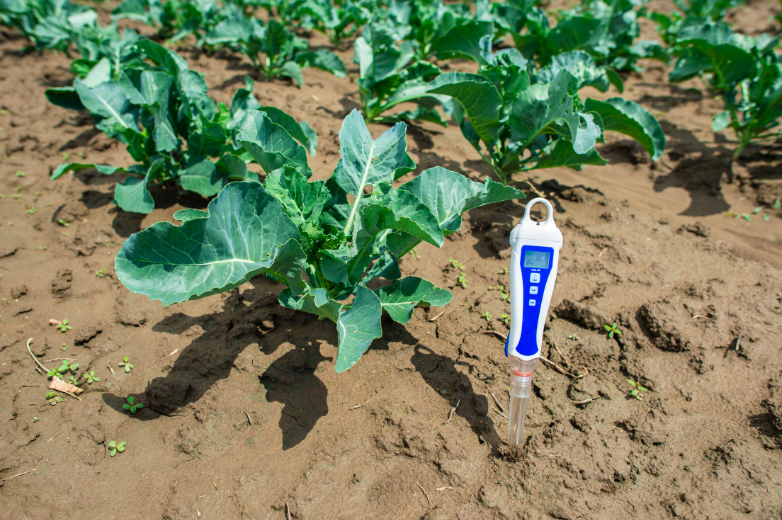
Test Your Soil
Before making any adjustments, conduct a soil test to determine the exact pH level and nutrient content. This will help you understand the extent of acidity and identify any specific nutrient deficiencies.
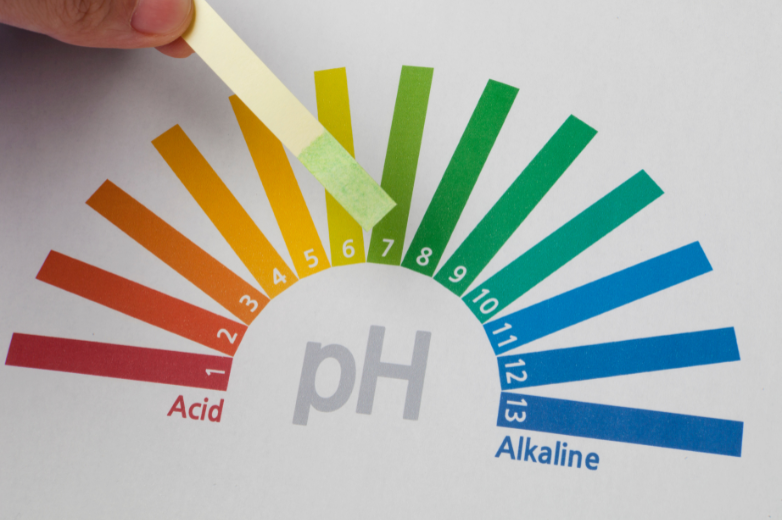
Soils can be classified according to their pH value:
acidic soil – pH between 3.5 and 5.5,
slightly acidic soil – pH between 5.5 and 6.5,
neutral soil – pH between 6.5 and 7.0,
alkaline soil – pH above 7.0.
Add Lime
Lime is commonly used to raise soil pH and reduce acidity. There are different types of lime, such as calcitic lime and dolomitic lime, which also adds magnesium. Apply lime according to the soil test recommendations, and till it into the soil to ensure even distribution. It may take a few months to see the full effect of lime on soil pH.
Incorporate Organic Matter
Adding organic matter, such as compost or well-rotted manure, can help improve soil structure and buffer pH levels. Organic matter enhances microbial activity, which can naturally moderate soil acidity over time.
Use Wood Ash Sparingly
Wood ash can also raise soil pH, but it should be used sparingly and with caution, as it may contain high levels of salts. It’s best suited for soils that are only slightly acidic.
Choose Acid-Tolerant Plants
If adjusting the soil pH is challenging, consider planting species that thrive in acidic conditions, such as blueberries, azaleas, and rhododendrons. These plants are naturally adapted to acidic soils and can perform well without significant soil amendments.
Regular Monitoring and Maintenance
Regularly monitor soil pH and nutrient levels to ensure they remain within the optimal range for your plants. Adjust your soil management practices as needed based on test results to maintain a healthy growing environment.
By taking these steps, you can effectively manage soil acidity, creating a balanced and fertile environment that supports robust plant growth and enhances your garden’s overall health.