Effective irrigation of field vegetables

Effective irrigation of field vegetables
Methods of IRRIGATING VEGETABLES
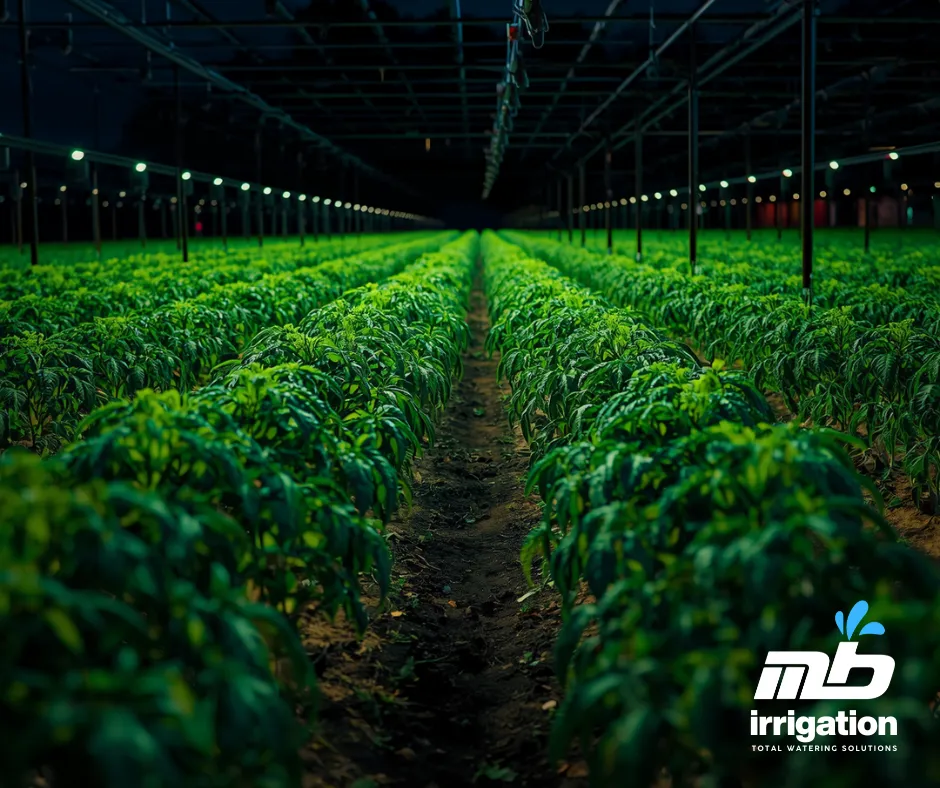
Proper hydration of vegetables is very important, as vegetables are the plants that tolerate drought the worst. These plants consume large amounts of water due to their shallow root system and the production of significant above-ground mass. Characteristics such as firmness, juiciness, crispness, fiber content, appearance, shape, color, skin thickness, taste, and smell largely depend on the amount of water supplied. Good crop health can be ensured by irrigating at the right time for the type of plant. This also prevents diseases such as leaf edge dieback and tip rot. It is not only the type of plant that defines its water requirements. These also depend on the stage of plant development, the type of substrate, and the cultivation method. As mentioned earlier, a well-chosen irrigation system contributes to higher and better quality yields. Soil moisture is most important 3-4 days before sowing or planting vegetables. This is when optimal soil irrigation should be ensured so that the plants can germinate freely. It is important to irrigate carefully and systematically. The soil must not be overwatered or overdried. This could lead to fruit cracking.
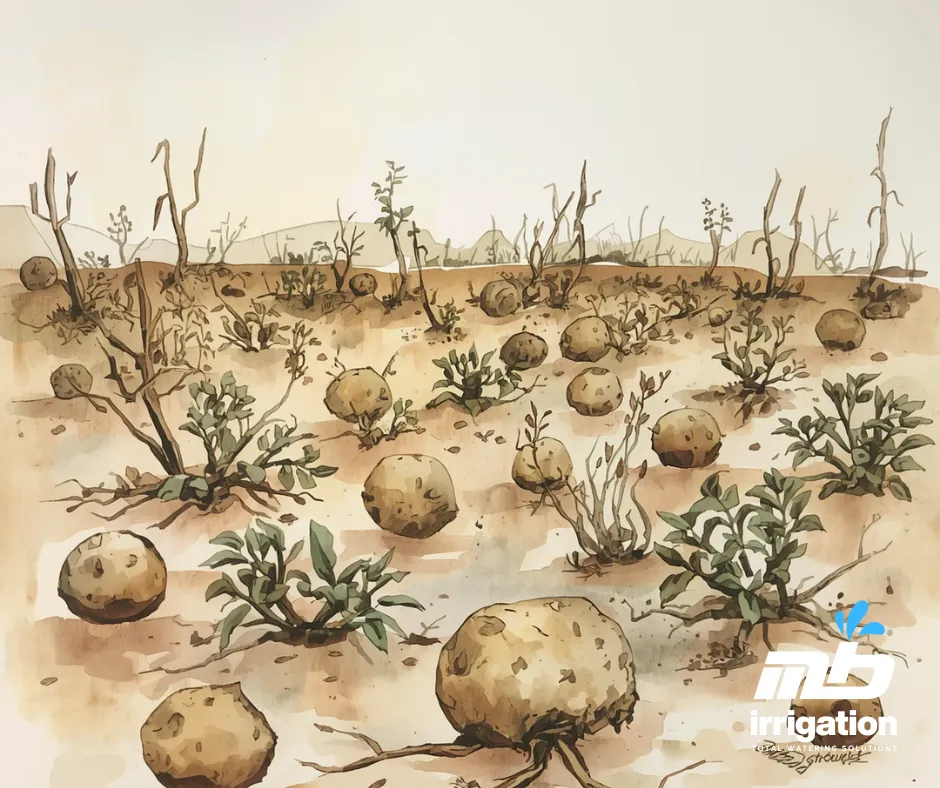
Potatoes are sensitive to water shortages.
Potatoes are highly sensitive to water shortages due to their long germination period, plant habit and delicate yet lush vegetative mass.
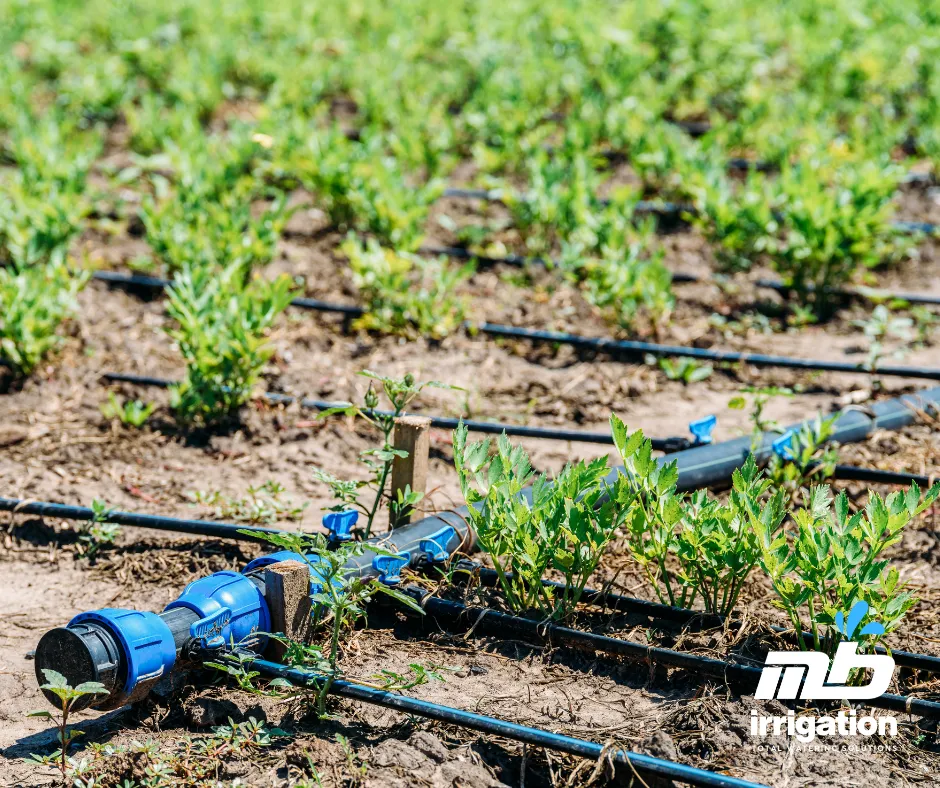
A drip irrigation system consumes significantly less energy, uses water more efficiently and also reduces the risk of disease, as the plant surface is not directly wetted during irrigation.
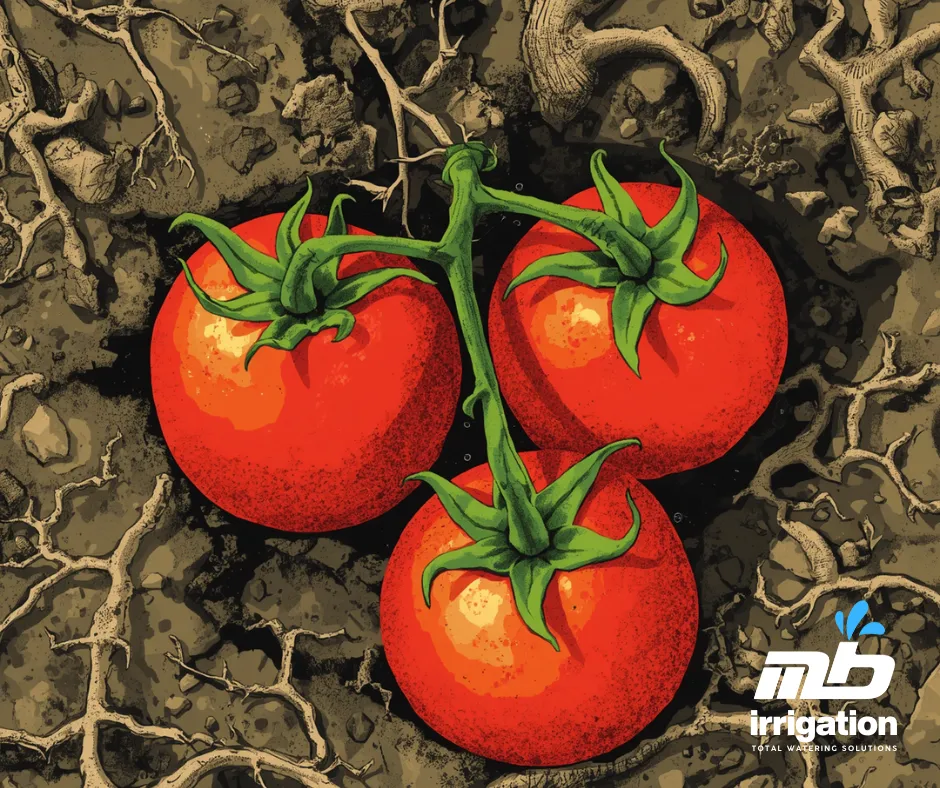
Tomato in the ground.
Tomatoes are vegetables with a relatively well-developed root system and are therefore classified as plants with moderate water requirements. Tomatoes require precise watering, as they are sensitive not only to water shortages but also to excessive soil moisture.
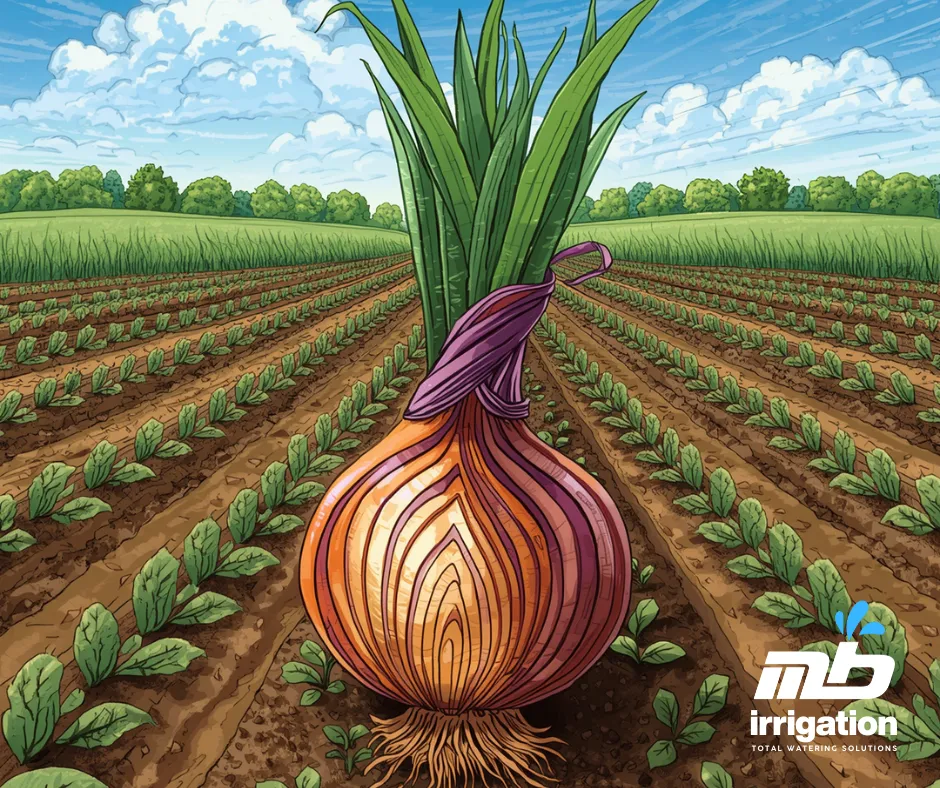
Demanding bulbous plants.
Onions, as plants with shallow root systems, are very sensitive to water shortages, especially during the emergence period and from mid-June to mid-July.
Onions are temperate climate plants, so they have low heat requirements. Seeds can germinate at temperatures as low as 5–6°C, although the most optimal conditions at this time are 18–20°C. During the initial growth period, the temperature can be 10–12°C, but when the bulb is forming, it should be 16–20°C. Suitable soil is very important for onion cultivation. The most favourable soils are medium-compact soils with a very good structure, with a large amount of humus, rich in nutrients (a lack of N, P, K manifests itself, for example, in slow growth or delayed ripening and other unfavourable characteristics), with adequate moisture and a pH between 5.8 and 6.5. These can be alluvial soils, loess soils, humus soils or well-fertilised podzolic soils. It is advisable to use crop rotation when growing onions – they should not be grown on the same field more often than every 3-4 years.
Methods of IRRIGATING VEGETABLES
Proper hydration of vegetables is very important, as vegetables are the plants that tolerate drought the worst. These plants consume large amounts of water due to their shallow root system and the production of significant above-ground mass. Characteristics such as firmness, juiciness, crispness, fiber content, appearance, shape, color, skin thickness, taste, and smell largely depend on the amount of water supplied. Good crop health can be ensured by irrigating at the right time for the type of plant. This also prevents diseases such as leaf edge dieback and tip rot. It is not only the type of plant that defines its water requirements. These also depend on the stage of plant development, the type of substrate, and the cultivation method. As mentioned earlier, a well-chosen irrigation system contributes to higher and better quality yields. Soil moisture is most important 3-4 days before sowing or planting vegetables. This is when optimal soil irrigation should be ensured so that the plants can germinate freely. It is important to irrigate carefully and systematically. The soil must not be overwatered or overdried. This could lead to fruit cracking.