Drip irrigation – the best choice

Drip irrigation – the best choice
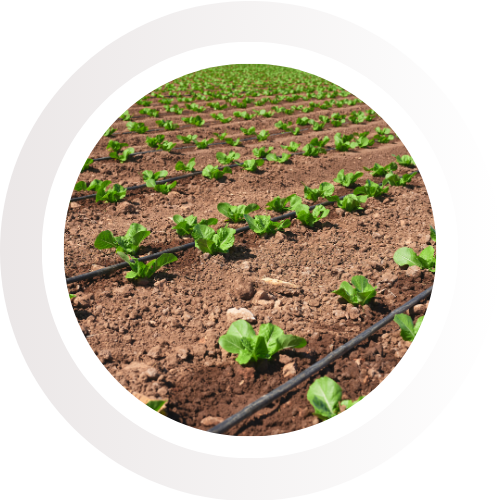
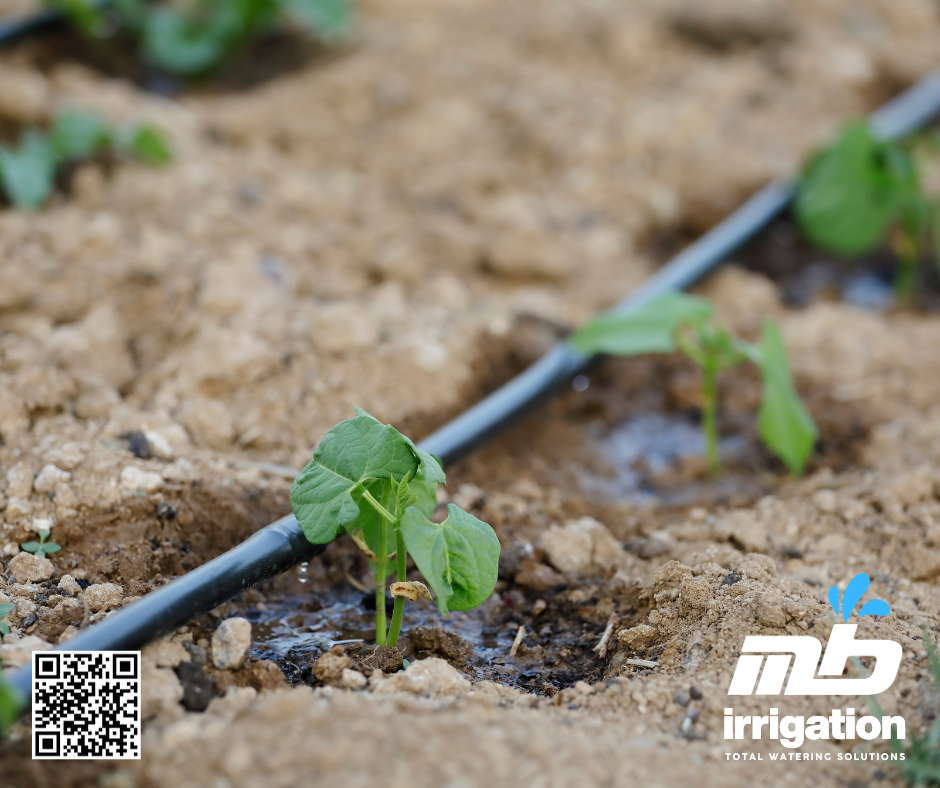
A popular method of irrigating field crops is the use of sprinklers – they are easy to install and operate, but the disadvantages of this system include high water consumption, a greater risk of fungal diseases and uneven water distribution. In field vegetable cultivation, it is recommended to use precision drip tapes and lines, which, unlike sprinklers and sprinkler heads, deliver water directly to the root zone of the plants. In addition, the crop is not exposed to mechanical damage caused by water droplets, and is less susceptible to fungi, viruses and other pathogens. For drip irrigation of field vegetables, we recommend using WATERMIL DRIP drip lines (with or without pressure compensation) or T-Tape drip tape.
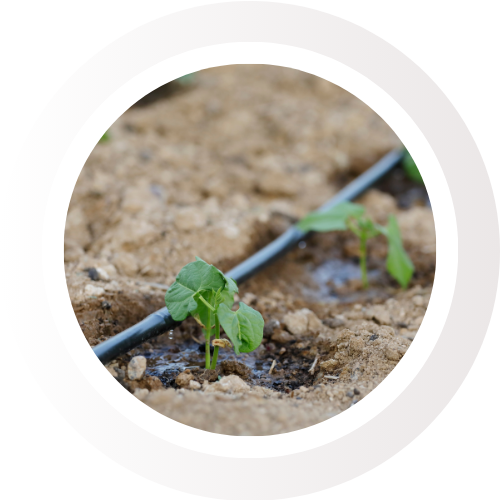
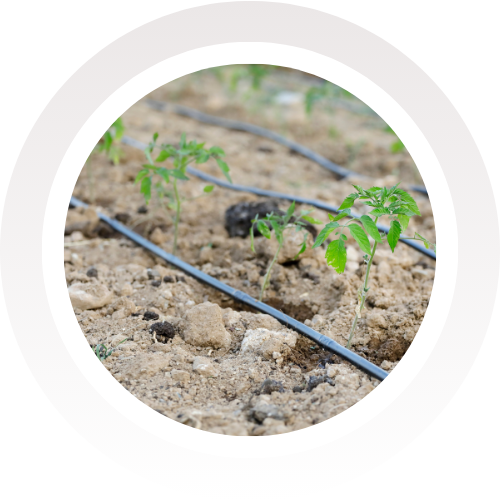
The use of drip irrigation in field vegetable cultivation has a number of advantages:
Uniform cultivation thanks to the delivery of constant and regular doses of water throughout the entire cultivation area.
- Higher crop quality – supplying water directly to the root system reduces the risk of fungal diseases that can occur when sprinkling the surface of plants.
- Higher yield – using a drip irrigation system, you get a higher yield compared to other irrigation methods.
- Water savings – water is delivered directly to the root zone, and thanks to the use of drip irrigation, we do not irrigate the inter-rows, which account for about 60% of the cultivation area. The drip irrigation system can also be used for fertigation, which also contributes to water savings.
- Fertiliser savings – fertiliser is injected directly into the system and the root zone of the plants.
- Fewer weeds – the inter-rows are not irrigated, which means that weeds have a less favourable environment for growth.
- Uniform irrigation even in strong winds – in the case of sprinklers or sprinkler heads, gusts of wind can affect the uniformity of irrigation.
- Easy adaptation of the irrigation system to new crops and the possibility of transferring it to another field during the new season – the drip irrigation system is lightweight and flexible.
- Possibility of using single-season drip tapes (they are cheaper than thicker and multi-season tapes).
- Even more effective cultivation thanks to the appropriate spacing of drippers (recommended spacing is 10–30 cm).
Drip irrigation – the best choice
A durable, multi-season drip line without pressure compensation. It is characterised by increased resistance to mechanical damage, minimised risk of emitter clogging, resistance to UV radiation, chemicals and liquid fertilisers, and a filter at the emitter inlet.