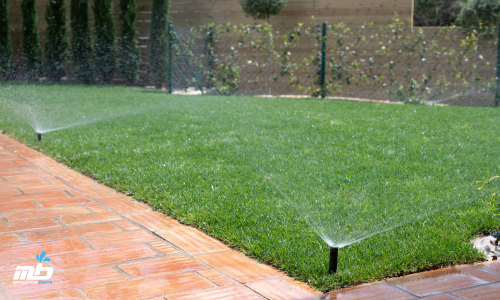
How to install and use pop-up rotor sprinklers
A Comprehensive Guide to Installing an Underground Rotor Sprinkler Irrigation System
Discover the fundamentals of sprinkler irrigation, including how to properly lay the piping for an underground system. Additionally, learn how to calculate the ideal relationship between flow rate and bar pressure to ensure rotor sprinklers operate at their best range.
Rotor Sprinkler Installation
What exactly is a Rotor Sprinkler?
A rotor sprinkler is a type of irrigation system component designed to efficiently water large areas by rotating streams of water over the landscape. Unlike traditional fixed spray heads, rotor sprinklers have a rotating mechanism that allows them to cover a broader area with adjustable arc and distance settings. This makes them ideal for lawns, parks, golf courses, and other expansive green spaces. They are known for their uniform water distribution, reducing runoff and waste, and often come with customizable features to suit different watering needs and environmental conditions.

Where Can You Utilize a Rotor Sprinkler System?
Rotors distribute water using high pressure, enabling them to cover a significantly larger radius compared to spray heads. One notable advantage of rotor sprinklers is their lower precipitation rate, which refers to the amount of water they release over time. This characteristic makes rotors particularly suitable for irrigating sloped or expansive gardens, as they provide ample time for water absorption into the soil. In sloped areas, applying excessive water too rapidly can lead to runoff, preventing it from penetrating the root zone where plants require it most.
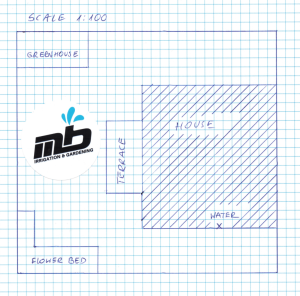
1. Start by sketching.
Rotor Sprinkler Installation is a fantastic way to ensure even water distribution across your lawn or garden, promoting lush, healthy growth. Before beginning the installation, it’s essential to plan your system carefully. Start by sketching a layout of your yard, marking the areas that require irrigation.
3. Selection of rotary sprinklers.
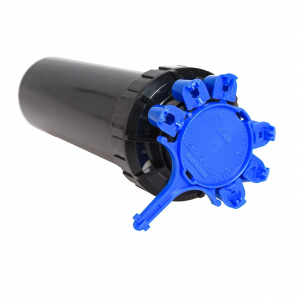
Next, choose the appropriate rotor sprinklers for your needs. Rotor sprinklers are particularly well-suited for larger areas due to their ability to cover significant distances with adjustable spray patterns. Consider the range and arc adjustments that will best suit the layout of your landscape.
5. Installing a Rotor Sprinkler
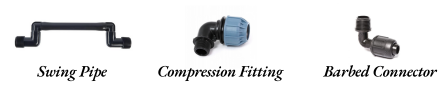
Rotor sprinklers can be directly installed onto the threaded outlet of a Compression Fitting or Barbed Connector. For greater flexibility in positioning your rotor sprinklers, consider connecting a Swing Pipe to the threaded outlet of your connector.
2. Water Pressure and flow.
Determine the water pressure and flow rate available to ensure your system will operate efficiently.
Calculating Flow Rate from the Water Source:
To measure water flow, begin by preparing a container with a known volume and a stopwatch. A suitable container could be a bucket with a minimum capacity of 10 liters; a larger capacity will yield more accurate readings. Position the container beneath the tap or valve supplying the irrigation, and then open the valve. Using the stopwatch, measure the time it takes to fill the bucket.
Record the measurement on paper and perform the following calculations to obtain the flow rate expressed in cubic meters per hour:
Divide the volume of the container (in liters) by the filling time (in seconds).
Multiply the result by 3.6.
For example, if a 10-liter bucket is filled in 12 seconds, the calculation would be as follows:
10 liters / 12 seconds × 3.6 = 3 cubic meters per hour.

The ideal pressure for sprinkler irrigation systems typically ranges between 1.4 to 4.0 Bar. This range ensures efficient water distribution without causing damage to plants or the irrigation equipment. It’s important to check the manufacturer’s recommendations for specific sprinkler models, as different types may have varying optimal pressure requirements. Additionally, installing a pressure regulator can help maintain consistent pressure levels and improve the overall performance of the irrigation system.
4. Preparing the Ground.
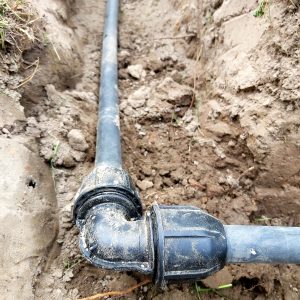
Once you have chosen where to place your pipe network and rotor sprinklers, dig a trench about 12-16 inches wide and deep. Be sure to carefully lift the turf keeping it as intact as possible.
6. Finally, a system test.
After installation, test your system to make sure the sprinklers are covering the intended areas effectively. Adjust the arc and distance settings as needed, and check for any leaks or blockages in the system. Regular maintenance, such as cleaning the nozzles and checking for wear and tear, will help keep your sprinkler system in top condition for years to come. With a properly installed rotor sprinkler system, you’ll enjoy a vibrant and thriving garden.